


















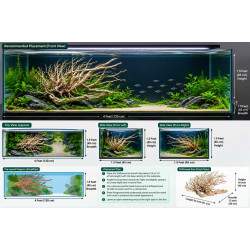
New
Model: SKU1100652
Note: Though it releases tannins initially, multiple water changes to be stop trannis release.Produt is same shown on imgae. only colour and diameteters can vary slightly due to camera quality and scale.Specifications:Length: 24 inchBreadth: 12 inchHeight: 18 inchWeight: 1.4kgThe following image sho..
₹3,250
New
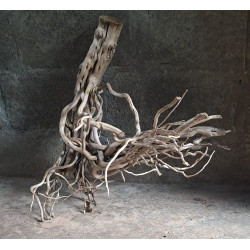
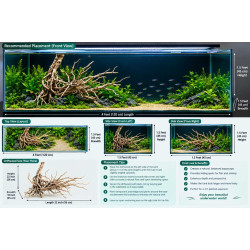
Model: SKU1100654
Note: Though it releases tannins initially, multiple water changes to be stop trannis release.Produt is same shown on imgae. only colour and diameteters can vary slightly due to camera quality and scale.Specifications:Length: 22 inchBreadth: 10 inchHeight: 22 inchWeight: 2.260 kgThe following image ..
₹3,250
Out Of Stock
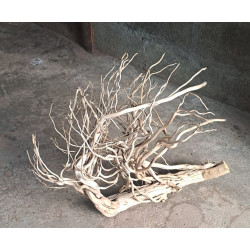
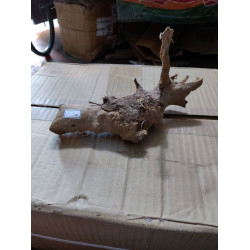
Most attractive hand picked drift wood
Product image shown on image. you buy same Driftwood which shown on image.
Note: Due to camera feature and measurement the colour and size can vary. but you receive same Drift wood design. All Natural.
Specification:
Dimenstions (LxBxH): The wood will be bet..
₹899

Out Of Stock
Driftwood | Nano Thin Seasoned
Driftwood for Nano Tank
Imported from Indonesia
100s of year under water, naturally treated
First time in India
Exclusively available @ Beena Aquarium
This is the actual image of the product.
Once you order, you will be shipped the same product.
Dimenstions..
₹399
Showing 1 to 4 of 4 (1 Pages)